Estrogen, Microbiome & Anti-Aging for Women
Navigating the estrobolome to improve recovery, weight-loss outcomes, and the biomarkers that matter through perimenopause and beyond.

The estrobolome — the collection of gut bacteria capable of metabolizing estrogens — is one of the more consequential and least discussed systems in women's health. It determines how much of the body's estrogen circulates, how much gets reabsorbed, and how much leaves the system.
Why perimenopause complicates the picture
As ovarian output declines, the buffering role of the microbiome becomes disproportionately important. A resilient estrobolome smooths the ride. A depleted one amplifies every symptom: sleep disruption, weight gain around the midsection, joint inflammation, cognitive fog.
The interventions that actually move markers
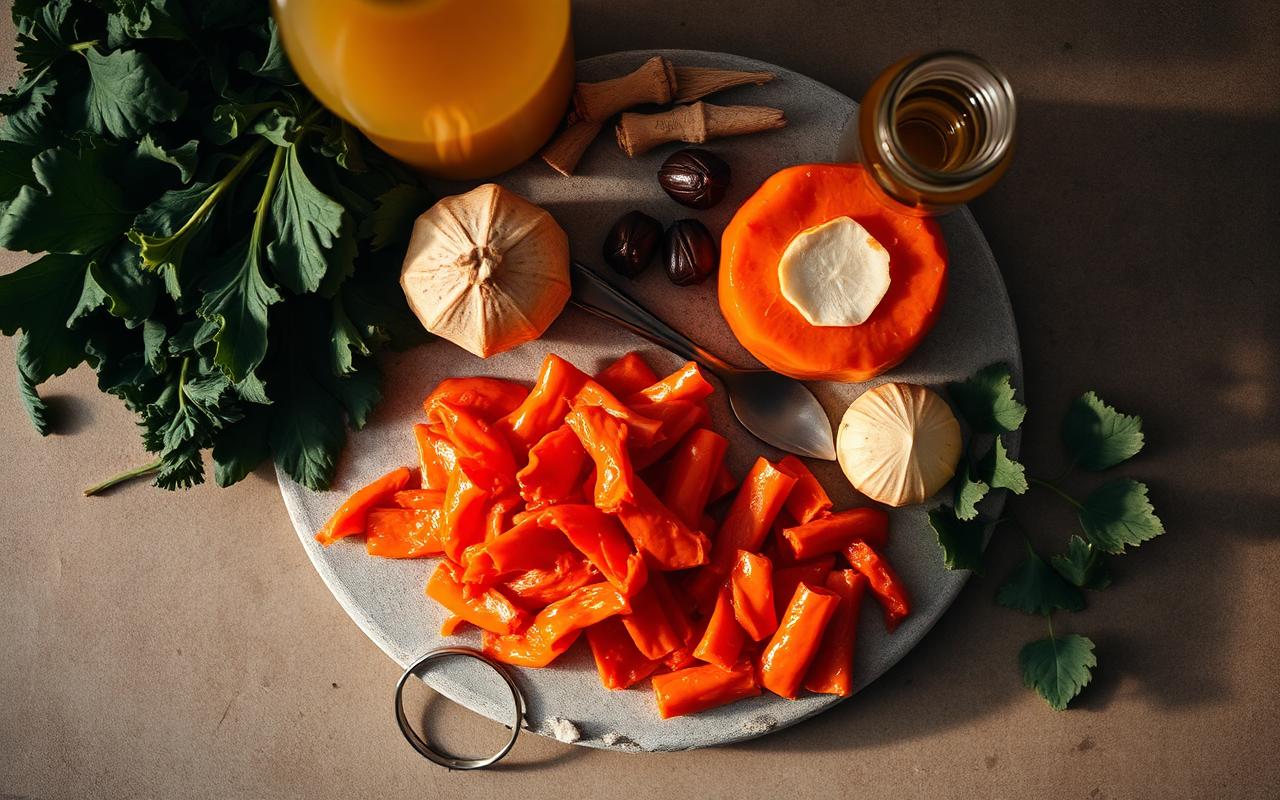
Fermented foods — sauerkraut, kimchi, live-culture yogurt, kefir — introduced daily for eight weeks consistently shift beta-glucuronidase activity in the direction we want. Fiber diversity matters more than fiber quantity. Aim for 30 distinct plant foods per week rather than 300 grams from three sources.
"You cannot supplement your way out of a monotonous diet. The microbiome eats what the plate offers."
Training layers on top
Resistance training remains the single most effective intervention for body composition, bone density, and glucose disposal in this population. Two heavy sessions per week, focused on the posterior chain, produce measurable changes in DEXA scans within 12 weeks.
The women in our cohort who combined fermented foods, three heavy lifting sessions weekly, and consistent 7.5-hour sleep windows reduced their biological age scores by an average of 3.2 years over six months. The interventions are unglamorous. The results are not.
Where do you stand?
Take the 60-second Metabolic Age Test to see how your habits compare against the biomarkers that matter.
Start the Test