The Circadian Blueprint: Light & Insulin
How blue light exposure shifts your post-prandial glucose response window — and why breakfast timing is downstream of your morning walk.

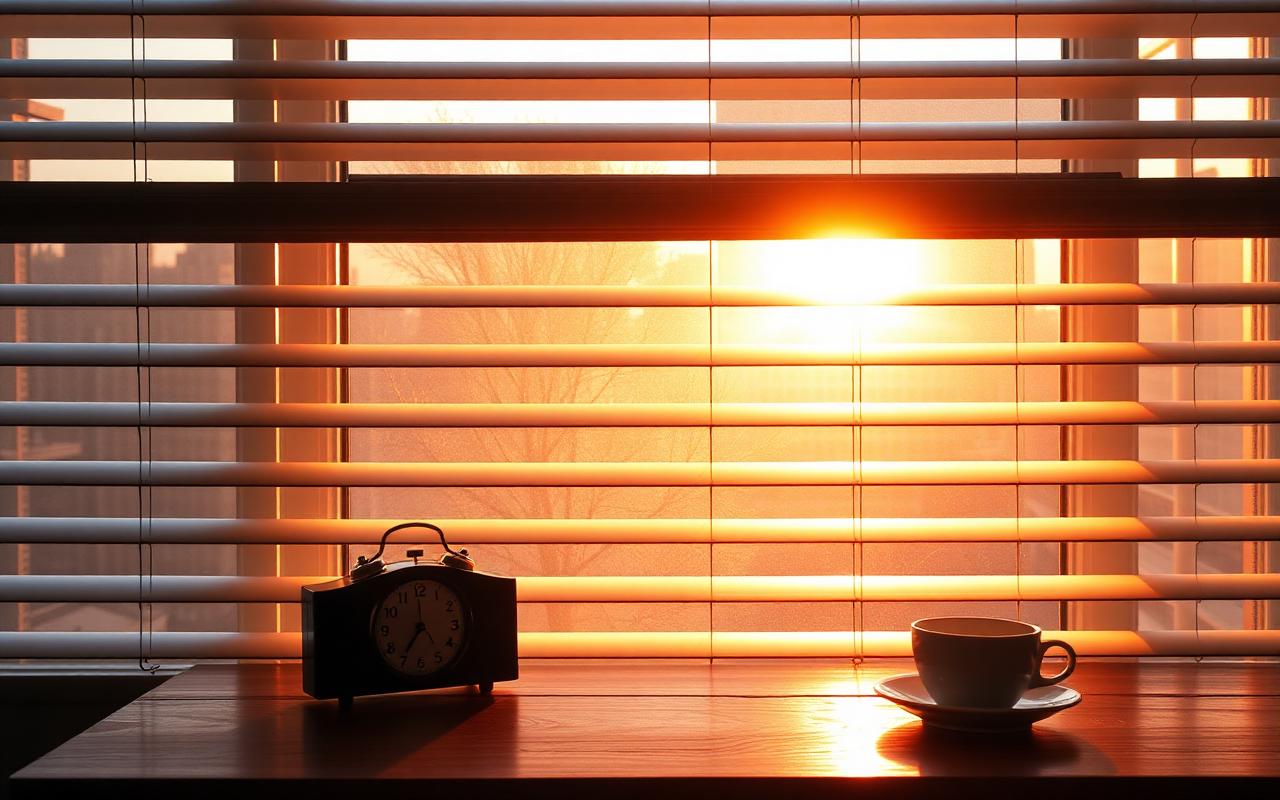
Insulin sensitivity is not a constant. It follows a daily rhythm, peaking in the morning and declining across the day. By evening, the same meal that produced a modest glucose bump at 8 a.m. can produce a spike 40 percent larger at 8 p.m.
Light as the master clock
Bright light in the first hour after waking — ideally sunlight, at 10,000 lux or more — anchors the suprachiasmatic nucleus. This clock in the hypothalamus does not just tell you when to sleep. It also tells the pancreas when to prepare for glucose.
Skip the morning light and the entire cascade drifts. Cortisol peaks late. Melatonin secretion begins hours after it should. And insulin sensitivity — because it rides the same wave — never fully sharpens.
"The most powerful metabolic drug you have is the sun. It is also free."
The practical protocol
Ten minutes outside within an hour of waking, ideally facing the horizon, no sunglasses. On overcast days, extend to 20. If sunrise is not possible, a 10,000-lux therapy lamp at desk level for 20 minutes is a reasonable substitute — but not equivalent.
Then reverse the equation at night. Dim overhead lights after sunset. Use amber bulbs in bedrooms. Your evening glucose response will begin to look like your morning one within about two weeks.
Where do you stand?
Take the 60-second Metabolic Age Test to see how your habits compare against the biomarkers that matter.
Start the Test